

“Have you been to Voi before?”
“Yes, although I don’t remember the first time, as I was only two years old”
So went the conversation several times during my visit last week to southern Kenya. I was there as part of our King’s ESRC Impact Accelerator Award project on integrating Indigenous and local community knowledge into fire management. This trip will be much easier to remember.
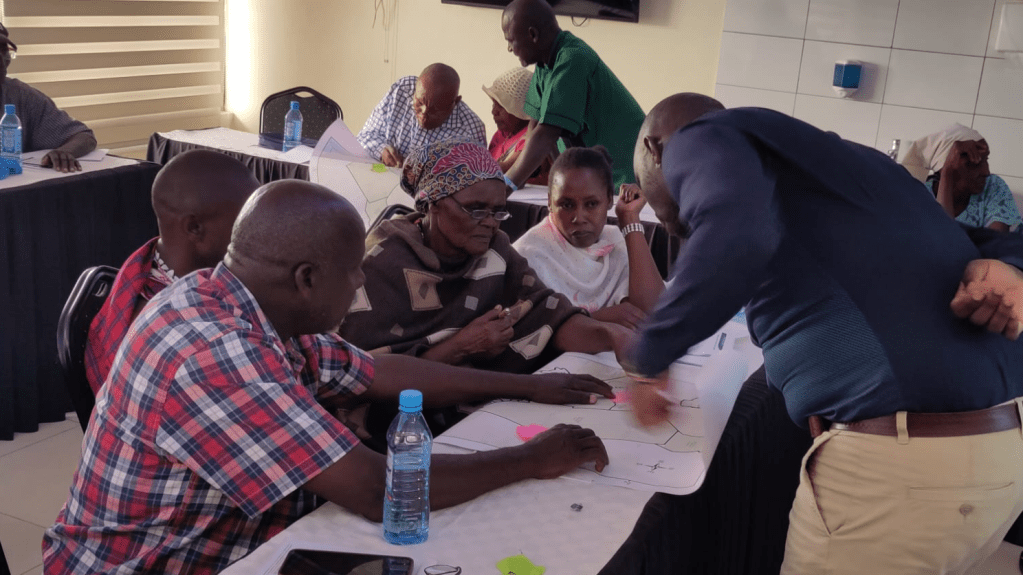
The main objective of the trip was to run the first of two workshops with Indigenous Peoples and Local Communities (IPLC) and wildlife managers, to facilitate knowledge sharing between participants and collect and collate information on IPLC knowledges and fire practices and the effectiveness of current fire management. Our area of primary focus was Tsavo Conservation Area, a series of protected areas – including Tsavo West and Tsavo East National Parks – spanning over a 42,000 square kilometre savanna and woodland landscapes in southern Kenya. Fire plays an important role in Tsavo ecosystems, potentially influencing the famous wildlife of the area but also used in various ways by local people. Currently, landscape fire is not explicitly factored into management plans, and from this first workshop we aimed to initiate the development of an Integrated Fire Management.
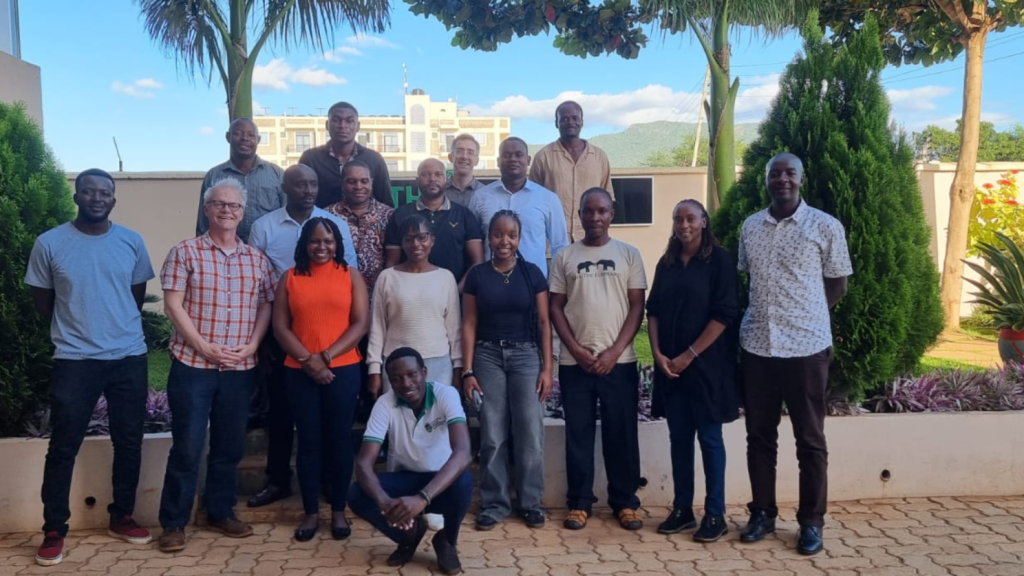
The workshop was led by Leverhulme Centre for Wildfires, Environmental and Society PhD student Amos Chege Muthiuru, whose work so far has shown that proximity to human activities and weather anomalies are key drivers of fire occurrence across Tsavo. Chege did a great job coordinating the workshop but we’re also very grateful for the work and support of our facilitating partners, the Taita Taveta Wildlife Conservancies Association and African Wildlife Foundation. Valuable contributions to the discussion came from David Demeritt, co-director of the Leverhulme Centre, and Abigail Croker, a former Centre PhD student whose work has shown that inadequate involvement of IPLC in management and lack of legal frameworks have resulted in increased fire frequency and altered fire regimes. As part of the workshop, we also discussed the ongoing consultation on Kenya’s Wildfire Management Act and are aiming to submit our response to the draft Bill soon – more on that in due course, I hope, along with developments on the integrated fire management plan.

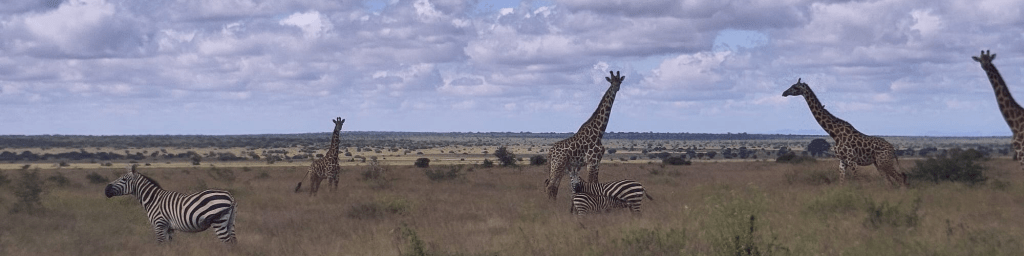
My contribution to the workshop was funded by the Leverhulme Centre, so after the workshop I also took the opportunity with David to visit key areas of Chege’s PhD study area. In particular, we visited Tsavo West National Park where Chege is collaborating with University of Wyoming PhD student Douglas Kamaru to deploy camera traps for tracking wildlife. As the photos here (from my phone) show, Tsavo West is home to magnificent wildlife, including elephants, giraffes and lions. We’re planning to use data from the camera traps to better understand how elephants respond to fire, and in-turn what the consequences might be for human-elephant conflict. It was good to be on the ground see deployment of the camera traps, get a feel for how vegetation varies across the park, and discuss key factors and processes we’ll need to account for in our analysis of the data.

My thanks to the workshop participants, those who helped made it happen (including Adriana Ford), and everyone else who supported my trip. Hopefully, it won’t be another 40+ years before I return to Voi!
Update: 21 May 2025
A couple of news articles based on interviews we did with local media:
 Direction not Destination
Pingback: Comments on Kenya’s Wildlife Bill 2025 – Direction not Destination